Distributed Antenna System Installation Houston | Mark Sandmann

Distributed Antenna System Installation in Houston

Mark Sandmann provides distributed antenna system installation in Houston for commercial properties that need stronger and more consistent in-building cellular coverage across offices, warehouses, industrial facilities, large buildings, and other difficult-to-cover spaces.

Call (832) 795-9163

Commercial In-Building DAS Installation for Houston Properties

Large buildings and complex properties can have areas where outdoor cellular signals do not provide reliable indoor coverage. Building materials, distance from the exterior, multiple floors, interior walls, large open spaces, and the layout of the property can all affect how well cellular signals reach people inside.
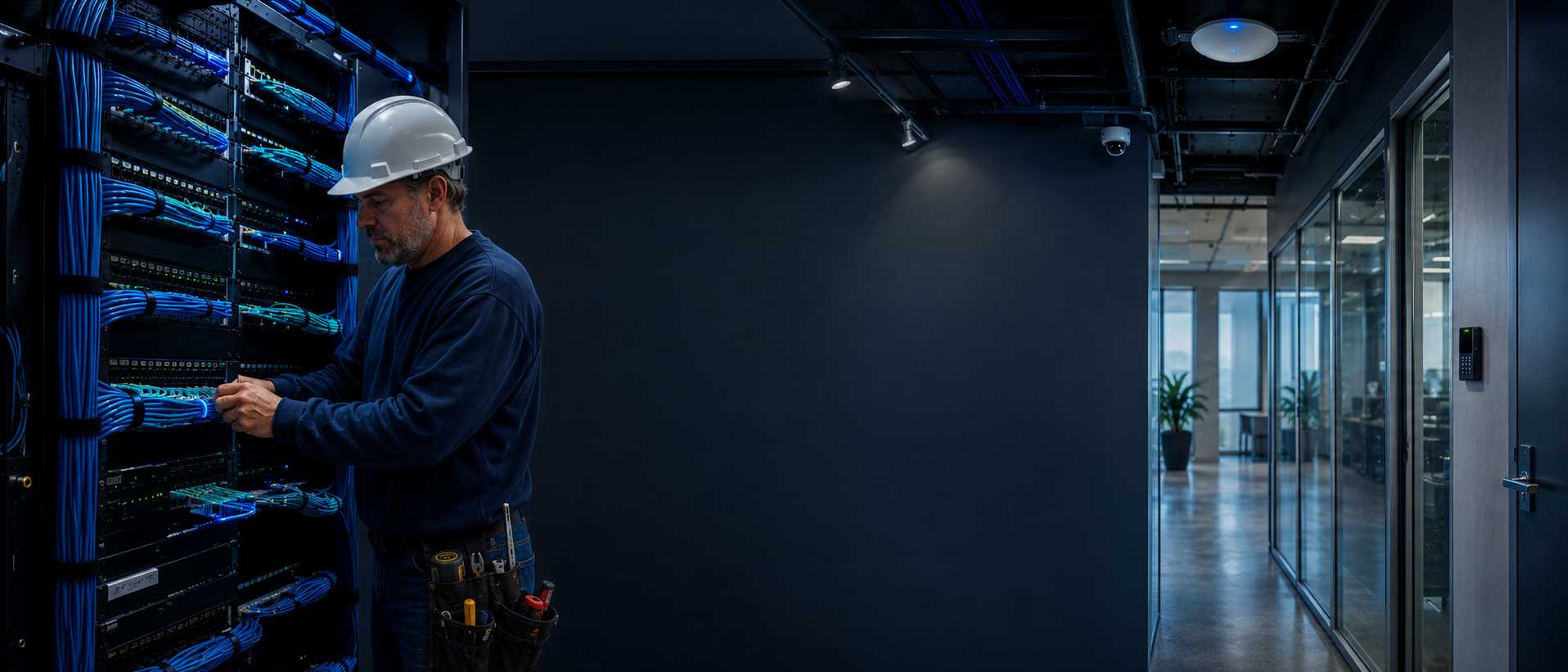
When you call, you speak directly with Mark about the property, the areas with weak or unreliable signal, and what the system needs to accomplish. Mark helps determine the practical installation approach and performs the work himself.

A distributed antenna system, commonly called DAS, uses a network of antennas and supporting infrastructure to distribute wireless signal across the areas that need coverage.

Talk Directly With Mark

Call (832) 795-9163 to discuss your DAS project.

Distributed antenna system installation in Houston

Work Directly With Mark Sandmann

When you contact Mark Sandmann, you speak with the person who will help evaluate the DAS project and perform the work.

You do not need to know the number of antennas, cable routes, equipment locations, or system architecture before calling. Start by explaining where coverage is weak, how the property is used, and what you need the system to improve.

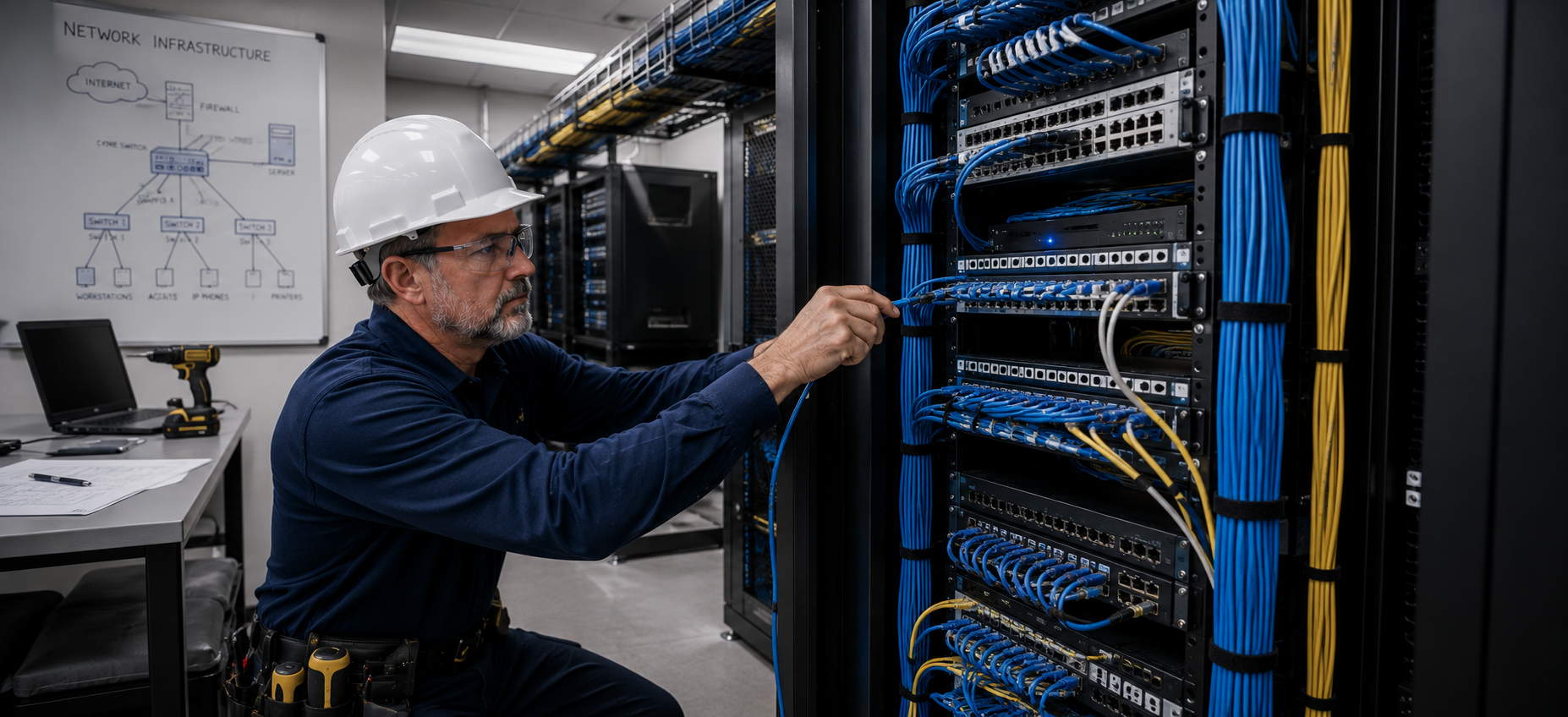
Mark's experience includes distributed antenna systems, wireless networking, structured cabling, fiber optic networks, LAN/WAN infrastructure, switches, routers, and other commercial network systems. That broader technical background helps him look at the antennas and the infrastructure connecting them as parts of one complete system.

Commercial DAS installation by Mark Sandmann

What a Distributed Antenna System Does

A DAS distributes wireless signal through multiple antennas placed across a building or property instead of relying on a single indoor antenna to cover the entire space.

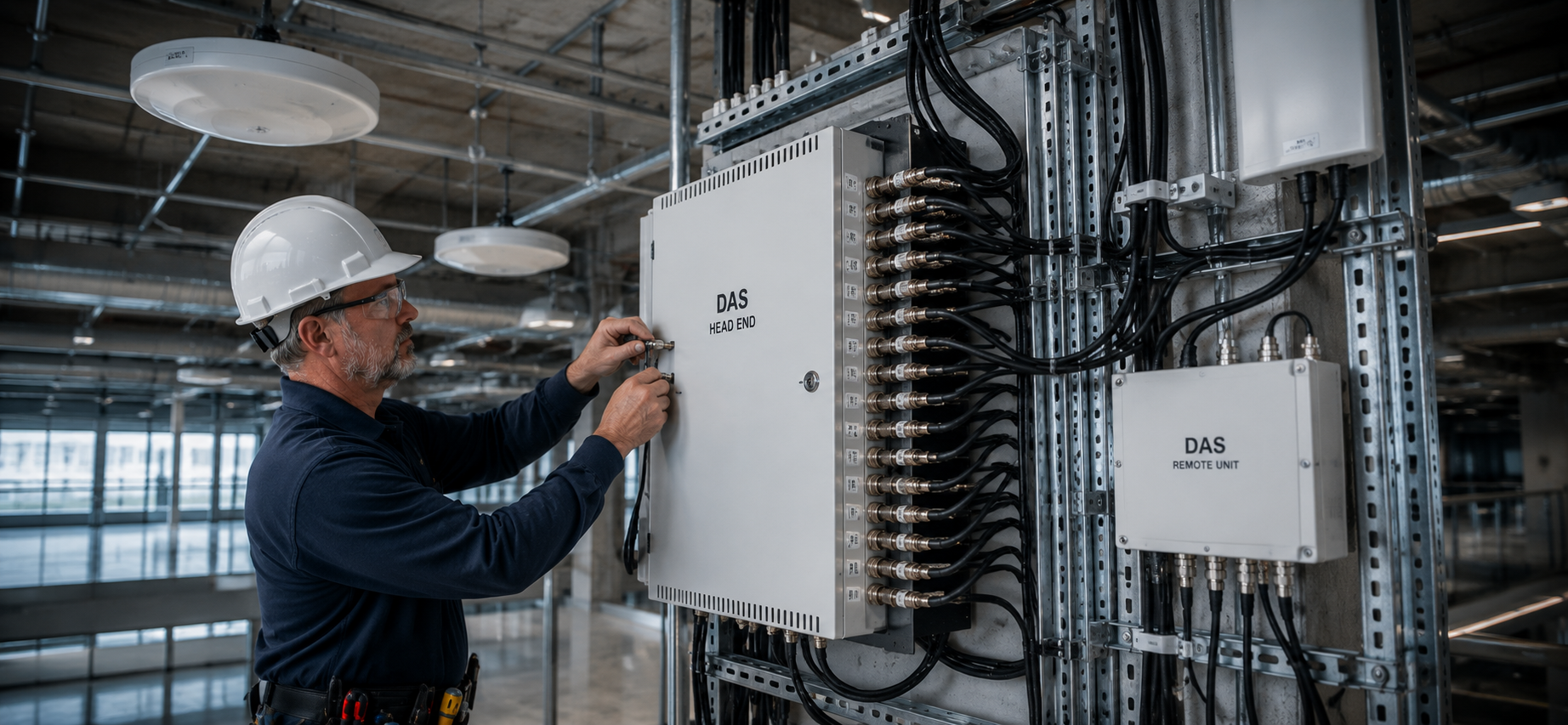
A commercial DAS may include a signal source, head-end or central equipment, coaxial or fiber connections, splitters and other distribution components, remote equipment, indoor antennas, equipment racks or cabinets, power and network infrastructure.

The exact system depends on the property and the type of coverage the project is intended to support.

Distributed antenna system equipment and antennas

Commercial In-Building DAS Installation for Houston Properties

Large Buildings and Complex Properties

Large buildings and complex properties can have areas where outdoor cellular signals do not provide reliable indoor coverage. Building materials, distance from the exterior, multiple floors, interior walls, large open spaces, and the layout of the property can all affect how well cellular signals reach people inside.

Distributed Wireless Signal

A distributed antenna system, commonly called DAS, uses a network of antennas and supporting infrastructure to distribute wireless signal across the areas that need coverage.

Commercial Facilities

Businesses may consider DAS for offices and corporate buildings, warehouses and distribution facilities, industrial properties, multistory commercial buildings, large indoor spaces, managed properties, facilities with known cellular dead zones, and properties where reliable mobile connectivity matters to daily operations.

Practical System Planning

The right approach depends on the size and construction of the building, current signal conditions, the areas that need coverage, the carriers or frequencies involved, and the infrastructure available throughout the property.

Distributed Antenna System Services

In-Building Cellular DAS Installation

An in-building cellular DAS is used to distribute cellular signal through areas where outdoor coverage may not reach reliably. The project can involve multiple antennas placed throughout a commercial property and connected through the supporting cabling and equipment needed to distribute the signal.

DAS Antenna Installation

Antenna placement affects how effectively a system covers the intended space. Installation planning may need to consider areas with weak signal, building size and layout, multiple floors, interior construction, ceiling height, equipment locations, and available cable pathways. The goal is to distribute coverage through the areas that need it rather than simply installing the largest possible number of antennas.

DAS Cabling Installation

The antennas in a distributed antenna system depend on the infrastructure connecting them. Depending on the system, the installation may involve coaxial cabling, fiber optic cabling, structured pathways, equipment rooms, and connections between remote components. Mark's experience with commercial cabling and fiber allows him to consider how the DAS infrastructure should route through the property.

Fiber Optic Infrastructure for DAS

Larger systems may use fiber optic connections to carry signals between central equipment and remote parts of a building or property. Fiber can be especially relevant where the system needs to cover longer distances or multiple major areas. Related service: Fiber Optic Installation in Houston

Coaxial Cabling and Signal Distribution

Some DAS installations use coaxial cabling and passive distribution components to carry signal to antennas throughout the property. The cable routes, distances, connectors, distribution components, and antenna locations all affect the completed system.

DAS System Expansion

An existing distributed antenna system may need to expand when a business adds space, renovates a building, opens another floor, or identifies new areas with poor coverage. Before expanding the system, the existing equipment, distribution infrastructure, available capacity, cable pathways, and current antenna layout should be reviewed.

DAS System Upgrades

An older system may no longer fit the coverage needs of the property or the way the building is used. Mark can review the existing installation and help determine whether the practical next step is to change antenna locations, add coverage, update cabling, replace supporting components, or make broader system changes.

DAS Troubleshooting

Coverage problems can involve more than the antenna itself. A problem may involve a damaged cable, a poor connector, a distribution component, power, remote equipment, the signal source, an antenna location, or another part of the system infrastructure. Mark can evaluate the installation and help determine where the problem may be occurring.

Passive, Active and Hybrid DAS

Passive DAS

A passive DAS typically distributes signal through components such as coaxial cable, splitters, couplers, and antennas. This type of approach may fit certain smaller or less complex coverage projects, depending on the building and signal conditions.

Active DAS

An active DAS uses powered equipment to distribute signal through the property and may use fiber to connect central equipment with remote units. This type of architecture may be considered for larger or more complex buildings where signal needs to travel farther.

Hybrid DAS

A hybrid DAS combines elements of active and passive distribution. The right architecture depends on the building, coverage needs, distances, available pathways, and the system being installed.

DAS for Offices, Warehouses and Commercial Facilities

Office Building DAS

Office buildings may have weak cellular coverage in interior rooms, meeting spaces, lower floors, stairwells, parking areas, and other parts of the property. A DAS can distribute signal through the areas where coverage is needed.

Warehouse DAS

Warehouses can be difficult to cover because of large spaces, metal construction, high ceilings, storage layouts, and long distances across the facility. The antenna layout and supporting cabling need to fit the physical property.

Industrial Facility DAS

Industrial properties may include large buildings, separate operational areas, multiple structures, equipment spaces, and challenging construction materials. These projects may require antennas, coaxial distribution, fiber optic infrastructure, equipment locations, and connections across a larger site.

Multistory Building DAS

A multistory property may need coverage distributed vertically as well as across individual floors. The building layout, equipment locations, riser pathways, and connection distances all affect the installation.

Managed and Multifamily Properties

Managed properties may have indoor coverage problems in common areas, offices, lower levels, parking areas, or other shared parts of the building. The practical system depends on the property and the areas that need coverage.

New DAS Installation and Existing System Changes

New Distributed Antenna System Installation

A new DAS project starts with the building, the current coverage problem, and the areas that need reliable signal. The project may involve reviewing coverage needs, planning antenna locations, identifying cable pathways, locating central and remote equipment, installing coaxial or fiber infrastructure, installing antennas and distribution components, and testing and troubleshooting the completed system.

Adding Coverage to an Existing System

An existing DAS may need additional antennas or infrastructure when the building expands or new weak-signal areas are identified. The existing equipment and system architecture need to be considered before new components are added.

Changes During Renovations and Build-Outs

Renovations can change how wireless signal moves through a building. New walls, ceilings, equipment, rooms, or layouts may create different coverage needs. Mark can review how the changed space affects antenna locations and supporting infrastructure.

How Mark Approaches a DAS Project

Identify the Coverage Problem

Start by explaining where cellular coverage is weak or unreliable and which parts of the property matter most.

Review the Building and Existing Infrastructure

The building layout, construction, equipment rooms, cable pathways, current signal conditions, and existing systems can all affect the project.

Determine the Practical System Approach

Mark helps determine how antennas and supporting infrastructure should be distributed through the property based on the project requirements.

Mark Performs the Work

Mark performs the agreed installation work himself, so you communicate directly with the person doing the work.

Cellular Coverage for Large and Difficult-to-Cover Buildings

Commercial buildings can have weak indoor signal even when outdoor coverage is available nearby.

Coverage may be affected by concrete walls, metal construction, energy-efficient glass, multiple floors, interior rooms far from exterior walls, large warehouse spaces, underground or enclosed areas, and the overall size and shape of the property.

A DAS project should begin with the actual building and the areas where people need reliable connectivity.

Cellular coverage for difficult commercial buildings

How DAS Differs From WiFi

DAS and WiFi solve different connectivity problems.

WiFi connects devices to a local network and internet service through wireless access points. A cellular DAS distributes cellular signal through a building or property.

A business may need one system, the other, or both.

Mark works with wireless networking as well as distributed antenna systems, so he can help separate a WiFi coverage problem from a cellular coverage problem before the wrong system is installed.

Wireless networking and DAS infrastructure

How DAS Fits Into the Rest of the Building Infrastructure

A distributed antenna system may depend on several types of physical infrastructure.

A project may include indoor antennas, coaxial cabling, fiber optic cabling, equipment rooms, racks or cabinets, power, network connectivity, and pathways between major areas of the building.

Because Mark works with fiber optic installation, structured cabling, and commercial network infrastructure, he can consider how the DAS fits into the rest of the property.

Related services: Fiber Optic Installation in Houston and Structured Cabling Installation in Houston.

Building infrastructure for DAS installation

Distributed Antenna System Installation Throughout Houston

Mark is based in Houston and provides commercial DAS installation throughout the Houston area.

Projects may involve offices, warehouses, industrial facilities, multistory buildings, managed properties, and other commercial spaces where indoor cellular coverage needs to be improved.

Have a project elsewhere in Texas? Contact Mark to discuss the location and scope.

Commercial DAS installation throughout Houston

Frequently Asked Questions About Distributed Antenna Systems

A distributed antenna system, or DAS, uses multiple antennas and supporting infrastructure to distribute wireless signal through areas of a building or property that need coverage.

Yes. Mark Sandmann provides commercial distributed antenna system installation for businesses and properties throughout the Houston area.

A properly planned DAS can distribute cellular signal through areas where indoor coverage is weak or inconsistent. The practical solution depends on the building, current signal conditions, carriers or frequencies involved, and the areas that need coverage.

No. WiFi connects devices to a local network and internet service through wireless access points. A cellular DAS distributes cellular signal through a building or property.

DAS may be used in offices, warehouses, industrial facilities, multistory buildings, managed properties, large commercial spaces, and other buildings with difficult indoor cellular coverage.

Some DAS architectures use fiber optic cabling to connect central equipment with remote parts of a building or property. Other systems may use coaxial cabling or a combination of fiber and coax.

Mark can review an existing system and help determine whether coverage issues involve antennas, cabling, connectors, distribution components, power, equipment, or other parts of the installation.

You will work directly with Mark Sandmann. Mark discusses the project with you, helps determine the practical approach, and performs the work himself.

Talk Directly With Mark About Your DAS Project

Primary Service Area

Houston, Texas

DAS Project

Dealing with weak indoor cellular coverage or planning a distributed antenna system for a commercial property?

Hours

Available 24 hours, Monday through Sunday

Tell Mark About Your Project

Share a few details about the service you need and the best way to reach you.